
Wayfinding Signage for Florida Businesses | Paradise Signs & Graphics | Titusville, FL
There is a moment every business owner has probably seen. A customer walks in, stops just inside the door, looks left, looks right, and then has to ask someone where to go. That moment is a wayfinding failure. It is small, it is fixable, and most businesses do not think about it until someone mentions it or a customer leaves a review about it.
Wayfinding signage is the system of signs that guides people through a space from the moment they arrive to the moment they find what they came for. It is not glamorous. It does not get the attention that a lobby sign or an exterior channel letter installation gets. But done well, it makes every other investment in your physical space more effective. And in 2026, it has become one of the fastest-growing priorities in commercial signage for exactly that reason.
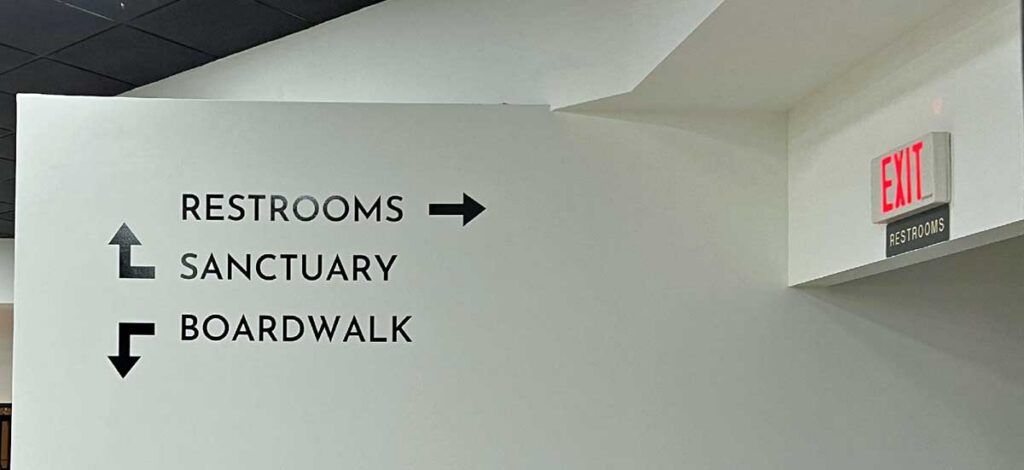
What Wayfinding Signage Actually Covers
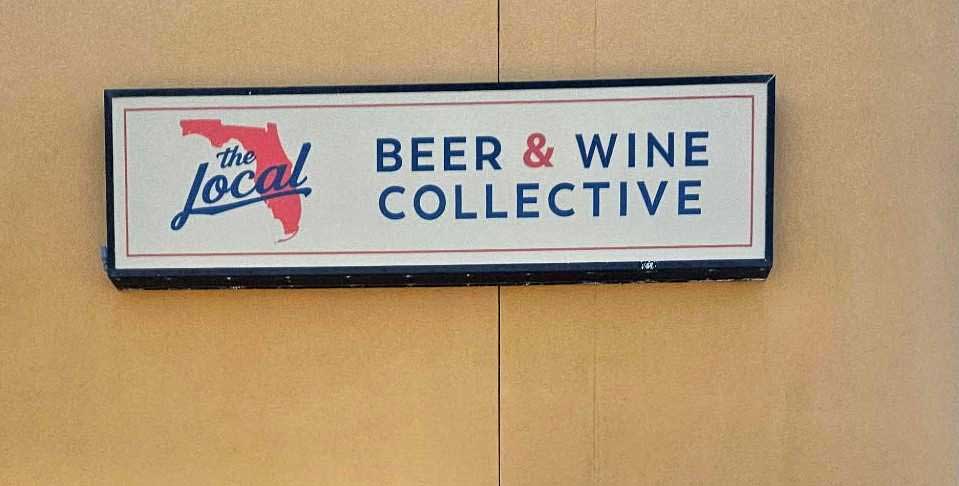
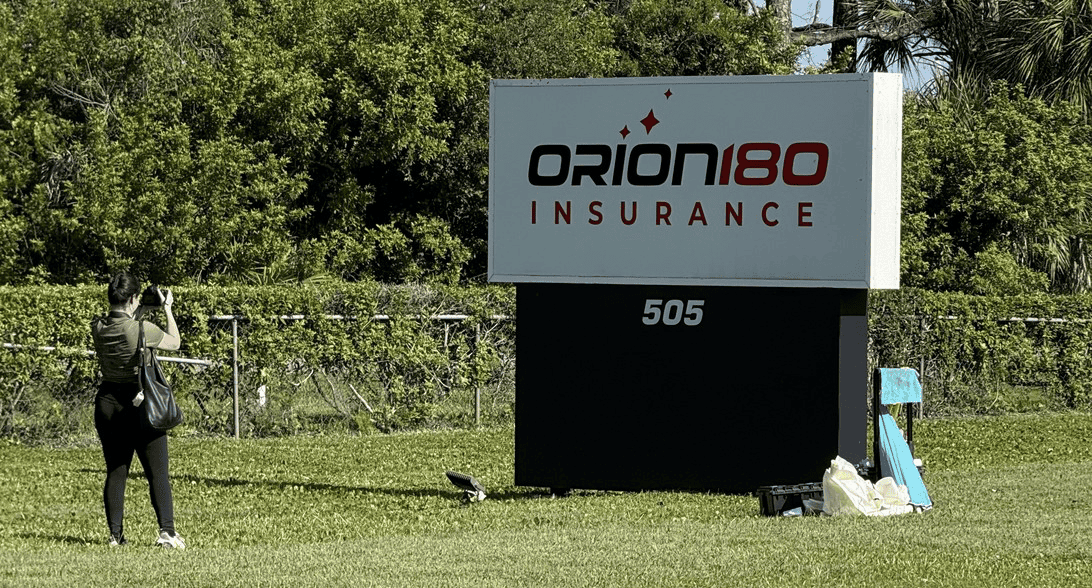
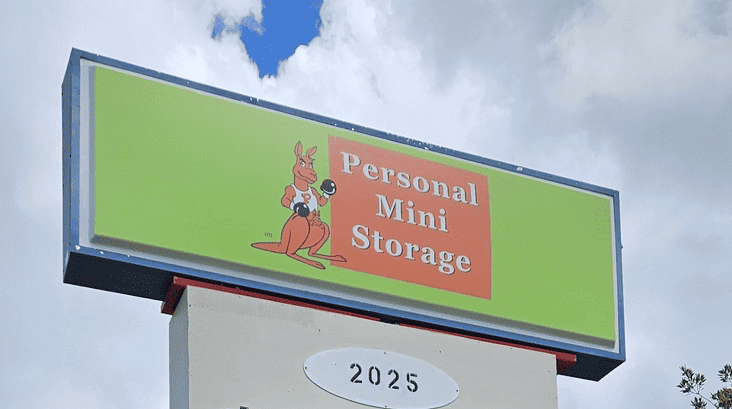
Wayfinding is broader than most people initially imagine. It starts before a customer even enters your building. Exterior wayfinding includes parking lot directional signs, entrance identification, and any signage that orients a first-time visitor to where they should go before they walk through the door.
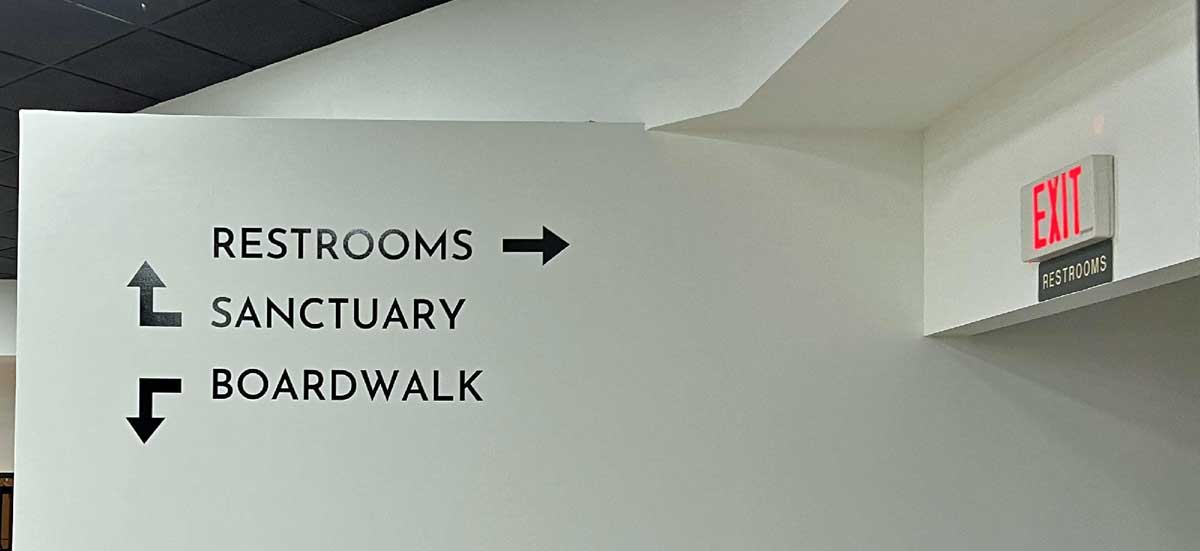
Inside, wayfinding covers lobby directories, department or zone identification, restroom and exit signs, office or suite numbers, and any directional arrows or floor markers that help people navigate confidently without stopping to ask. In a medical office, that might mean clear signage directing patients to check-in versus the waiting area versus the pharmacy. In a retail environment, it means department labels and directional cues that reduce friction and keep customers moving through the space in a way that benefits both them and the business.
Regulatory signage like exit signs and ADA room identification technically falls under compliance requirements, but it is also a functional part of the wayfinding system. A space where the regulatory signs are integrated with the rest of the wayfinding design feels intentional and professional. A space where they are clearly afterthoughts feels incomplete, even to customers who cannot articulate why.
Why This Has Become a Priority in 2026
Customer experience research has consistently shown that people who navigate a space confidently feel better about the business they are visiting. A 2026 retail survey found that more than half of shoppers prefer to navigate independently with the help of clear signage rather than ask staff for directions. That is not a minor preference. It is a direct statement about how signage affects the customer experience before a single transaction takes place.
The businesses responding to this are not just adding directional arrows. They are treating wayfinding as part of the brand experience rather than a separate functional layer. Wayfinding that uses the same fonts, colors, and material language as the rest of the signage system communicates that the business has thought carefully about how customers move through its space. Wayfinding that looks disconnected from everything else communicates the opposite.
For businesses in Titusville and across Brevard County, where competition for local customer loyalty is real, the difference between a space that feels considered and one that does not is worth paying attention to. Customers notice. They may not say so directly, but the businesses that make navigating their space effortless earn a level of comfort and trust that shows up in repeat visits.
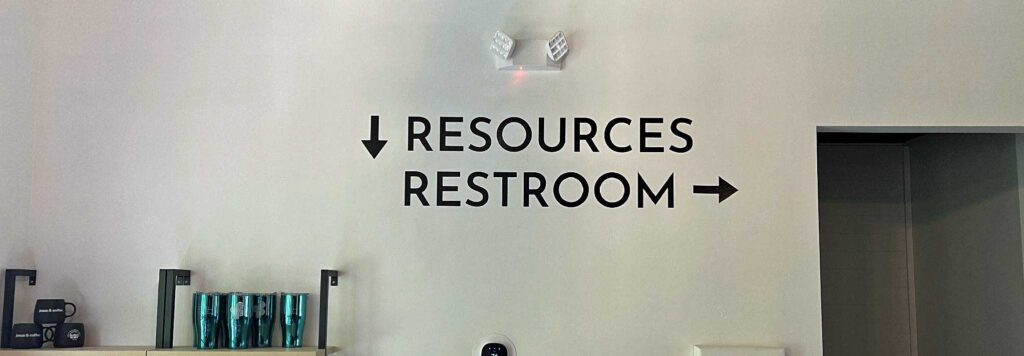
The Elements of a Well-Designed Wayfinding System
Consistency is the foundation. Every sign in a wayfinding system should feel like it belongs to the same family. Matching fonts, consistent color use, and coordinated materials across every directional and identification sign reinforces the sense that someone designed the space rather than assembled it over time from whatever was available. The International Sign Association notes that cohesive signage systems measurably improve customer navigation confidence and reduce staff time spent answering directional questions.
Hierarchy matters. Not every sign needs to communicate at the same scale or with the same visual weight. Exterior signs that orient people from a distance need to be legible at that distance. Interior directories need detail. Directional arrows need clarity and placement at decision points, the moments where a customer has to choose which way to turn. Designing for the right information at the right scale and in the right location is what separates wayfinding that works from wayfinding that technically exists.
Placement is as important as design. A beautifully designed directional sign mounted where it cannot be seen from the natural walking path is not doing its job. Effective wayfinding is designed with the customer’s physical experience in mind, which means understanding how people actually move through the space, where they look when they need guidance, and what decision points require signage support.
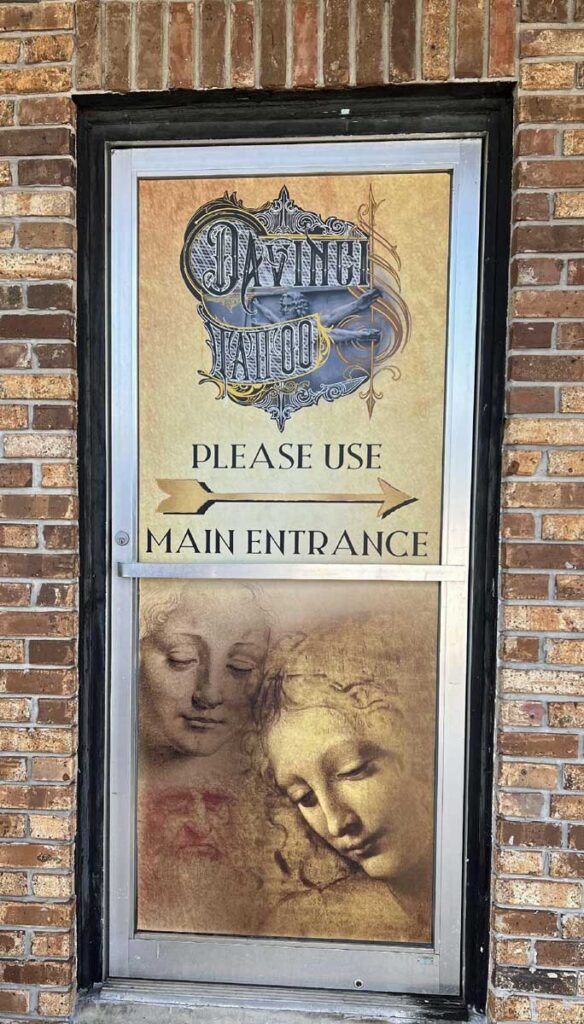
Where Businesses Most Commonly Fall Short
The most common wayfinding gap is the gap between the parking lot and the front door. Many businesses invest in strong exterior building signage and then leave visitors to figure out on their own which entrance to use, where to park, or how to access a specific suite in a multi-tenant building. That gap is often the first experience a new customer has with the business.
The second most common gap is inside multi-room or multi-department spaces. Offices with several meeting rooms, medical practices with multiple exam areas, and service businesses with separate intake and waiting zones all benefit from interior wayfinding that eliminates the need for a staff member to escort every visitor to their destination.
A third gap shows up during rebrands or renovations. Businesses that update their exterior signage and lobby presentation often leave older, inconsistent wayfinding signs in place throughout the rest of the space. The mismatch undermines the impression the updated signage is trying to create.
Getting Started
A wayfinding audit is the most useful first step for any business that suspects its directional signage could be working harder. Walking the space as a first-time visitor, noting every moment of confusion or hesitation, and identifying where signage is absent or unclear gives you a clear picture of where the gaps are. If you want a reference point for what a complete system looks like, the International Sign Association publishes resources on signage planning that are a useful starting point for any business thinking about a coordinated approach.
From there, the conversation with a signage partner should cover the full path a customer takes through your space, the brand standards that need to be reflected across every sign, and the materials that will hold up over time in your specific environment. In Florida, that means thinking about UV resistance, humidity, and the performance of finishes in both interior and coastal exterior conditions.
Help Your Customers Find Their Way, Effortlessly
Paradise Signs & Graphics designs and installs wayfinding signage systems for businesses throughout Titusville, Brevard County, and the Space Coast. From parking lot directionals to lobby directories and interior suite identification, we build systems that guide your customers and reflect your brand at every step.
Reach out at wecare@paradisesignsandgraphics.com to schedule a complimentary consultation. We would like to walk through your space with you and show you what a coordinated wayfinding system could look like.
Contact Paradise Signs & Graphics Today:
📞 Call: 321-567-5253
📧 Email: wecare@paradisesignsandgraphics.com
🌐 Website: paradisesignsandgraphics.com
📍 Visit Us: 3650 Bobbi Ln, Suite 121-123, Titusville, FL 32780